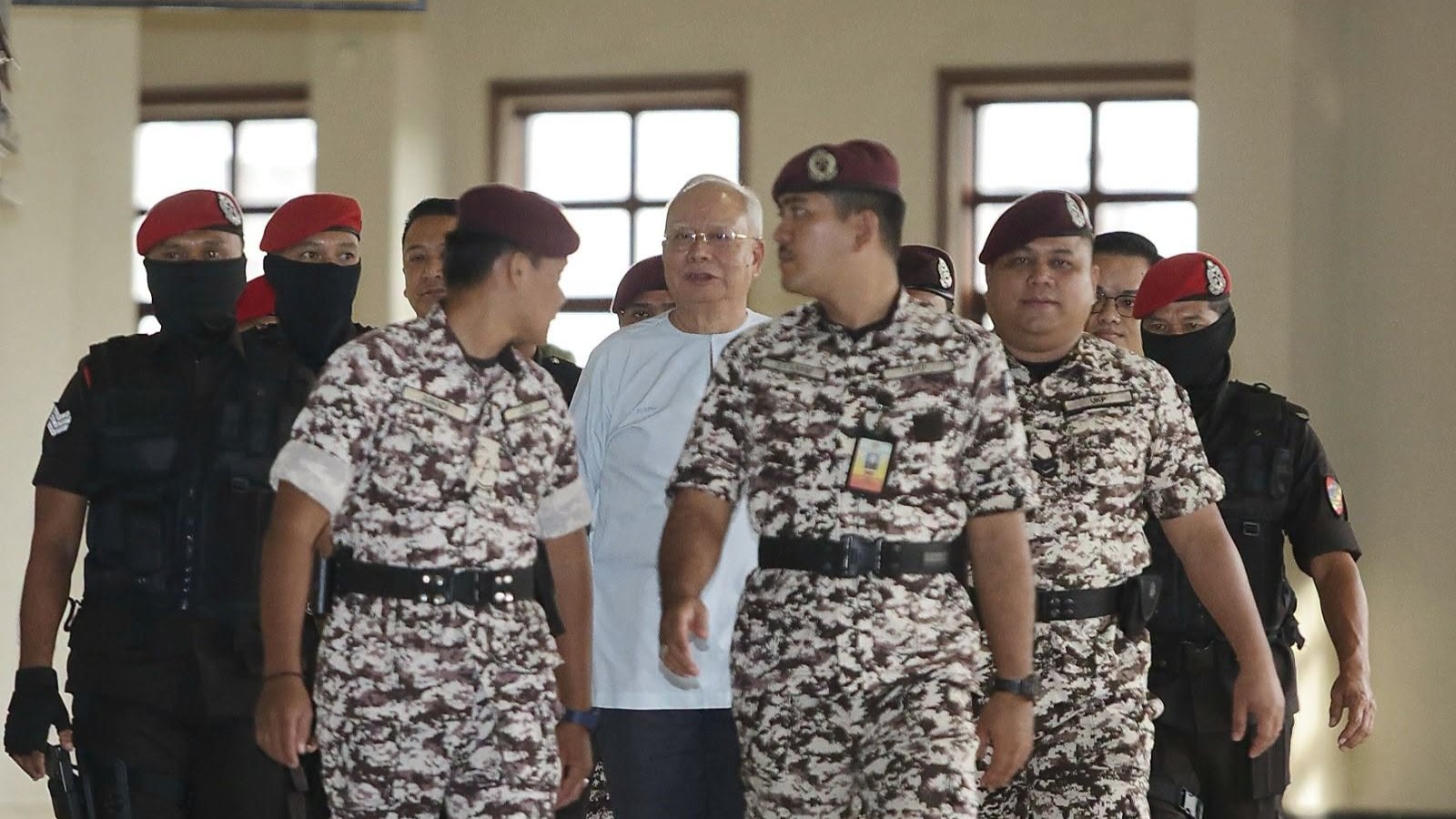
Najib Razak’s controversial pardon is disturbing, to say the least, to many people in Malaysia.
Many have reacted in disbelief, indignation and disgust. The anger centres on the sharp reduction in the sentence imposed on Najib for misappropriating RM42m from state-owned SRC International.
First, the jail term was halved from 12 to six years. The fine was cut to less than a quarter (RM50m) of the RM210m first imposed.
Second, the punishment was further softened through a conditional pardon. It enables Najib to spend the rest of his jail term in the comfort of his home until August 2028.
But what qualifies the former prime minister for such leniency? This is a scandal that has wiped out a huge amount of public funds meant for public spending. It has also stained the reputation of the country abroad.
Pardon without remorse
- Sign up for Aliran's free daily email updates or weekly newsletters or both
- Make a one-off donation to Persatuan Aliran Kesedaran Negara (ALIRAN), Maybank a/c 507246118995 or CIMB a/c 8004240948
- Make a pledge or schedule an auto donation to Aliran every month or every quarter
- Become an Aliran member
The pardon challenges the very values derived from religious or secular philosophy that guide our upbringing.
The first principle of the Rukun Negara (national principles) itself is Belief in God, and surely that is meant to have more than rote value.
Pardons and amnesties have a legitimate place in the justice system, but only under certain circumstances.
Convicted people who turn over a new leaf are periodically released on parole. They show remorse and exceptional behaviour, convincing jailers they have reformed. It is an opportunity open to all convicts.
Getting a pardon, however, seems to depend on the head of state’s forgiveness. The king acts within the constitutional framework, which includes the pardons board. Remorse, it appears, is not a criterion.
Many ordinary people, the biggest casualties of Najib’s crime, are not convinced he deserves a pardon. Perhaps, if he were a political prisoner, they would be more accepting.
But he is not. The misappropriation for which he was convicted deprived them of much-needed public services that could have been funded with the money.
Needs that go unmet
There’s an urgent need to spend on more public hospitals, doctors and staff, and equipment to overcome the current public healthcare crisis that is burdening the people.
There’s an urgent need to introduce an old-age pension to address poverty and destitution among older people.
Funds are urgently needed to address malnutrition and stunting among about 21% of children under five nationwide. But the government says it inherited a large debt and has no money.
Apart from this, are our decision-makers and political party chieftains mindful of the damaging implications of this pardon? Think of its effect on our young people and society as a whole, and on petty and hardcore lawbreakers.
What is the message or lesson for our children? That it’s OK to steal, to misuse public money entrusted to you? And that in this society, you can escape punishment if you are rich and powerful?
Sadly for the country, a section of society celebrates Najib. ‘Malu apa bossku?’ (what is there to be ashamed of, boss?) is the unlikely slogan used by Najib sympathisers, making light of the 1MDB scandal.
In that same spirit, some of them contributed to the solidarity fund to help Najib raise the RM50m he needed to fulfil the condition for release to house arrest.
It is unreal how certain quarters treat corruption on such a scale as a virtue, and unashamedly embrace and fete the perpetrator.
AGENDA RAKYAT - Lima perkara utama
- Tegakkan maruah serta kualiti kehidupan rakyat
- Galakkan pembangunan saksama, lestari serta tangani krisis alam sekitar
- Raikan kerencaman dan keterangkuman
- Selamatkan demokrasi dan angkatkan keluhuran undang-undang
- Lawan rasuah dan kronisme