
By Milkaela Nhondo Erskog
On 16 September, the people of Burkina Faso, Mali and Niger marked the second anniversary of the Alliance of Sahel States (AES), established by the Liptako-Gourma Charter in 2023.
This is not merely a date on the calendar, but a celebration of a renewed struggle for sovereignty in a region long suffocated by French neocolonialism and failed Western security strategies.
As solidarity actions are planned across the Sahel, it is essential to look beyond the mainstream narratives of ‘coup belts’ and understand the conditions that led to this pivotal moment.
For decades, the Sahel has been a textbook case of neocolonial plunder. The ‘flag independence’ of the 1960s was a façade for continued French domination, maintained through the CFA franc and a web of defence pacts.
- Sign up for Aliran's free daily email updates or weekly newsletters or both
- Make a one-off donation to Persatuan Aliran Kesedaran Negara (ALIRAN), Maybank a/c 507246118995 or CIMB a/c 8004240948
- Make a pledge or schedule an auto donation to Aliran every month or every quarter
- Become an Aliran member
The 1961 accord with Niger, for instance, granted France control over military installations and strategic resources like uranium while providing tax exemptions for French businesses. This system gutted the region’s fiscal sovereignty, resulting in catastrophic underdevelopment, poverty and a security crisis exacerbated by the very powers claiming to resolve it.
The numbers are grim. In 2023, Niger’s per capita gross domestic product (GDP) was just $560, with nearly half its population in poverty, and its neighbours face similar realities.
This is the direct consequence of a system designed for extraction. French mining companies have for years siphoned off the region’s uranium and gold, leaving little behind. In 2010, for example, Niger received only 13% of the total export value from its own uranium.
This economic exploitation is inextricably linked to the security crisis. Nato’s 2011 intervention in Libya unleashed a torrent of arms and extremists across the region.
Subsequent French-led operations like Barkhane proved counterproductive, as terrorist activity skyrocketed under their watch – with deaths increasing by 2,860% over 15 years.
For the people of the Sahel, the conclusion was inescapable: the fox was guarding the henhouse.
It is out of this crucible of failed states, foreign interference and popular frustration that the AES was born.
The military interventions in Mali (2020), Burkina Faso (2022) and Niger (2023) were not the typical power grabs of a self-serving elite. They were, as Philippe Toyo Noudjnoume of the West African Peoples’ Organization has termed them, “military interventions for sovereignty”.
Led by a new generation of young, patriotic officers like Ibrahim Traoré of Burkina Faso and Assimi Goïta of Mali, these movements have been fuelled by mass mobilisations of a populace weary of the old order, as shown in the recent dossier published by Tricontinental Institute for Social Research, ‘The Sahel Seeks Sovereignty’.
The scenes of mass rallies on the streets of Bamako, Ouagadougou, and Niamey following the ousting of Western-backed governments were a powerful testament to the deep-seated desire for change.
What is more, the masses did not come out simply to support a new regime blindly. Take the case of Niger: the military leaders were primarily compelled by the unchanging poor protections and remuneration while fighting on the front line against terrorist incursion, often linked to alleged French support. It was the grassroots organisations that led the call for the ejection of the French military and diplomatic forces, laying siege to the French military garrisons and embassy.
These were not simply anti-French outbursts, but a profound rejection of a system that had for too long denied the people of the Sahel their dignity and their right to self-determination.
The AES, therefore, is not just a military alliance, but a political project – a bold attempt to forge a new path based on Pan-Africanism, endogenous development and a resolute anti-imperialist stance.
In its two years of existence, the AES has made significant strides.
The expulsion of French troops from all three member states was a historic blow to French neocolonialism in Africa.
The formation of the Confederation of Sahel States on 6 July 2024, has further solidified the alliance, with a joint military force already conducting exercises and its leaders deepening security ties, as seen in the military meetings in Russia in July and August 2025.
Plans are advancing for a single passport, a domestic tax-financed new investment fund, and eventually, a common currency.
On the economic front, the AES is taking concrete steps to reclaim control over its destiny. Proposals are on the table to pool resources for key mining, energy and infrastructure projects.
In a significant move towards energy sovereignty, Russia’s Rosatom (the state corporation responsible for its nuclear industry and energy) signed framework agreements with all three members in June–July 2025 on the peaceful use of nuclear energy to develop a “vertically integrated regional nuclear fuel cycle –from Nigerien mines to Burkinabe and Malian reactors”. This complements national efforts across the alliance, which include a slew of bilateral agreements with new partners and new national development initiatives, spanning a range of economic, political and social sectors.
Mali and Burkina Faso both passed new mining codes in 2023 to increase state participation and scrap neocolonial-era tax exemptions, while Niger has initiated a comprehensive audit of existing mining contracts with the aim of renegotiating them on more equitable terms.
These concrete policies are matched by a push for ideological renewal.
Burkina Faso, for its part, is reviving the spirit of [revolutionary former President] Thomas Sankara with a major push for food self-sufficiency – mobilising national volunteer programmes to build irrigation dams and launching the construction of the nation’s first tomato processing plant to cut dependency on imports – and a national forest restoration campaign (which saw five million trees planted in an hour on 21 June).
Mali, in its new national development plan, is fostering the concept of the Maliden kura or the “new Malian” – a patriotic, responsible and hardworking citizen dedicated to national sovereignty.
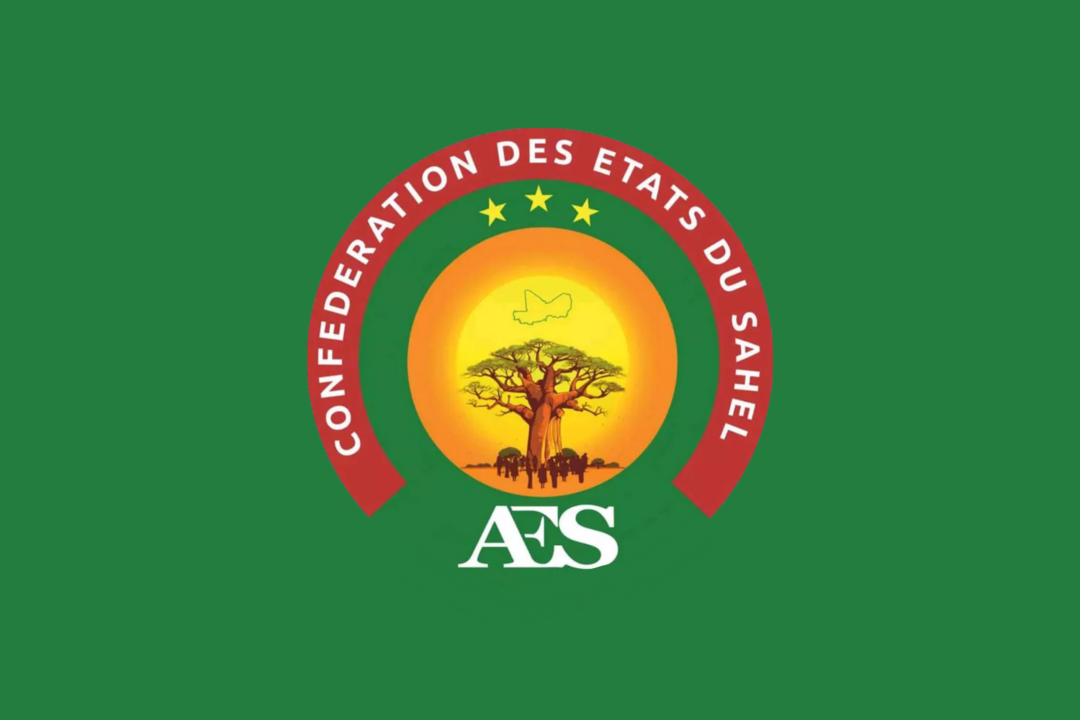
These parallel efforts, both material and ideological, are weaving a new banner for the region, symbolised in the AES flag. The flag depicts a map of the three nations joined as one, set against the Pan-African colours of red, gold and green, with the ancient baobab tree at the heart of it. The people of the Sahel have unfurled the banner of sovereignty, and each day, through the daily struggles to build a coherent regional project, they are recovering their dignity.
The challenges ahead remain immense. The economies of the AES countries remain heavily reliant on the export of raw materials, leaving them vulnerable to the vagaries of the global market. The security situation, while improving in some areas, remains precarious. And the forces of imperialism have not been idle.
But to focus solely on these challenges is to miss the larger story. The people of the Sahel are not waiting for a saviour. They are taking their destiny into their own hands.
The upcoming anniversary of the AES is a moment to commend their courage and vision. It is a reminder that, as Sankara, the great Burkinabé revolutionary, once said – a statement often quoted by Burkinabae Traore: “A slave who is not able to take charge of one’s own rebellion is not entitled to pity.”
The people of the Sahel have taken charge of their rebellion. – Globetrotter
Mikaela Nhondo Erskog is an educator and researcher at the Tricontinental Institute for Social Research. She holds a master’s degree in history from the University Currently Known as Rhodes (UCKAR) and a bachelor’s degree in humanities from the same university.
AGENDA RAKYAT - Lima perkara utama
- Tegakkan maruah serta kualiti kehidupan rakyat
- Galakkan pembangunan saksama, lestari serta tangani krisis alam sekitar
- Raikan kerencaman dan keterangkuman
- Selamatkan demokrasi dan angkatkan keluhuran undang-undang
- Lawan rasuah dan kronisme
