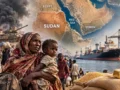
In 2022 Sri Lanka plunged into its worst economic crisis since independence, triggering widespread protests and a popular uprising that forced President Gotabaya Rajapaksa from office.
The crisis exposed deep-rooted failures in governance, public finance and economic management, eventually pushing the country into debt restructuring and an International Monetary Fund-backed recovery programme.
Four years on, Sri Lanka has restored economic stability and regained access to international credit markets.
But recovery has come at a significant social cost, with rising poverty, falling real wages and growing inequality.
- Sign up for Aliran's free daily email updates or weekly newsletters or both
- Make a one-off donation to Persatuan Aliran Kesedaran Negara (ALIRAN), Maybank a/c 507246118995 or CIMB a/c 8004240948
- Make a pledge or schedule an auto donation to Aliran every month or every quarter
- Become an Aliran member
So what has Sri Lanka learnt from its crisis, and who has benefited from its recovery? BFM talks to Dr Nishan de Mel, the executive director of Verité Research, about Sri Lanka’s economic recovery, debt restructuring and political trajectory.
They discuss:
What caused Sri Lanka’s economic crisis, and what can other countries learn from it?
They examine how mounting public debt, tax cuts, corruption and poor governance brought Sri Lanka to the brink of economic collapse
What does sovereign debt restructuring actually involve, and how did Sri Lanka navigate it?
Sri Lanka suspended debt repayments in 2022 before reaching agreements with its creditors in 2024. They explore how debt restructuring works, the role of the IMF and the lessons other developing countries can draw from Sri Lanka’s negotiations.
Has Sri Lanka’s recovery come at the expense of ordinary people?
While the country has made progress on economic stability, poverty has increased, real wages have fallen and the burden of restructuring has disproportionately affected lower-income groups.
They examine how the costs of recovery have been distributed between creditors, businesses and ordinary people.
Can a left-wing government deliver meaningful economic and social change?
Sri Lanka’s current government comes from a left political tradition, but has largely embraced a middle-ground approach to economic policy.
They examine its record on redistribution, pension funds, anti-corruption and governance, and whether it has a developmental vision beyond crisis recovery.
Is Sri Lanka building a more inclusive society?
They explore the expectations placed on the current government by Tamil and Muslim communities, the question of ethnic justice and what it would take to build a society where people of different backgrounds can participate as equals.
Presenter and producer: Dashran Yohan for BFM
AGENDA RAKYAT - Lima perkara utama
- Tegakkan maruah serta kualiti kehidupan rakyat
- Galakkan pembangunan saksama, lestari serta tangani krisis alam sekitar
- Raikan kerencaman dan keterangkuman
- Selamatkan demokrasi dan angkatkan keluhuran undang-undang
- Lawan rasuah dan kronisme