MEDIA STATEMENT
Siva should resign as Human Rights Commissioner Please support our work by buying a copy of our print publication, Aliran Monthly, from your nearest news-stand. Better still take out a subscription now. If you prefer to read our web-based edition, please support our work and make a donation.
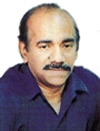
He is currently busy on the campaign trail to get elected as the Secretary-General of the Malaysian Trades Union Congress (MTUC). He is already the executive secretary of the National Union of Teachers (NUTP), which boasts of a membership in excess of 100,000. The responsibilities that go with this post must entail onerous duties and tasks requiring his time and presence. There are 12 branches in Malaysia: it would mean that he would have to travel quite a bit. There would be workshops to conduct, seminars to address, reports to prepare and recommendations to be made. Once the teaching profession was referred to as a veritable jungle. The problems are many and numerous issues are still outstanding. And that was why he was appointed as the executive secretary immediately following his retirement a year ago. It appeared that the NUTP desperately needed the vast experience that he had as the immediate past secretary general of the union. On top of that, he is also adviser to the Congress of Unions of Employees in the Public and Civil Services (CUEPACS). This role must inevitably call upon him to devote some time and effort. CUEPACS has 120 affiliates with a membership of 220,000 and divisions in all the states, and there are the Conferences where his presence is necessary as adviser. There would be invitations for him to grace certain civil service union functions, to give talks and attend meetings and to help draw up memorandums. What's more, according to the Employees' Provident Fund's website, he is also one of the five workers' representatives on the EPF Board for the two-year term ending 31 May 2005. There must be regular board meetings. This responsibility is a heavy one especially when the dividends keep dropping every year, leaving EPF contributors frustrated and angry. Their frustrations must be addressed seriously. He is also the Deputy Chairman of NUTP Koperasi Berhad, a cooperative set up by the NUTP for its members. There must also be demands on him in this capacity. There are Area Meetings to attend and General Meetings requiring his attendance. What else he is involved in only he knows. But by all accounts he looks like one very busy man. How much time can he give to each of these activities? With all these responsibilities to shoulder, how many days are there left in a week for him to devote to other activities? The demands on his time must be tremendous. Why then does he want to take on another mammoth task that requires full-time effort? The MTUC is the national trade union centre for the trade union movement in this country. Its affiliates are mainly drawn from the private sector representing many trades and industries from all over the country, including Sabah and Sarawak. There are 250 affiliates with a combined membership of 504,000 - five times more than that of the NUTP. Their problems are varied and totally different from the civil service. Siva cannot be as well versed in their issues as he is with civil service matters. Why then is he hankering for the MTUC Secretary General's post as well? And how serious is he in fulfilling his obligations if he was to be elected? We have to raise this question simply because he once stood for the post of MTUC Treasurer in 1997, got elected and then incredulously - without any explanation or justification - resigned the post within months. Is he taking another ego trip this time? And let us not forget that he is also a Human Rights Commissioner. How much time is he able to devote to this all-important task as required under the Human Rights Commission of Malaysia Act 1999? How much time and effort can he devote as Commissioner, burdened as he is with all his other responsibilities and commitments? When a full-time professional is appointed as Human Rights Commissioner, which job would take priority for him? Their career and professional advancement would naturally take precedence, and they end up becoming part-time Commissioners. Human rights is a serious business. It cannot take second place to other activities when one is a Human Rights Commissioner. That is why Suhakam commissioners are well paid with perks thrown in. Human Rights Commissioners who are also full-time lawyers, corporate figures or unionists will find it difficult to devote themselves fully to human rights. An urgent court case cannot be put aside; an EPF board meeting cannot be postponed; a corporate deal cannot be held up. But human rights violations and abuses don't wait for the convenience of the Commissioners and need to be urgently addressed. Violations can take place at any time and aggrieved parties can come knocking at the Commission's doors unannounced. The nature of human rights abuses is such that Commissioners are expected to be available whenever their intervention is urgently required. But because many of the present Commissioners are not full-time on the job of human rights, there have been times when their services were not available. A case in point was on 19 November 2004 when not a single Commissioner was around in the office to receive complaints. "Suhakam has 17 commissioners and over the past three days, not even one of them was present in the office. It shouldn't be a problem to station at least one commissioner there a day," mourned social activist Arutchelvan who was assisting family members of the hunger strikers in Simpang Renggam, Johor. "They are paid wages and they should be treating their positions full-time. If they can't allocate time for human rights, then they should step down as commissioners," Arutchelvan demanded. The Commissioners deserved to be slammed for not taking their roles seriously as is expected of them. Even Suhakam's complaints division chairperson Prof Hamdan Adnan expressed his regret that no Commissioner was present on that day. "I don't know what happened. There should be at least a commissioner on duty everyday," he said. Commissioners involved in other activities and other endeavours cannot do justice as members of the Human Rights Commission. They cannot simply spare their time on an ad hoc basis - as and when they are able to - in order to do justice to their duty and justify the wages they receive. It is in the light of this that Aliran calls upon Siva to choose between trade unionism and human rights. Better still that he resigns as Commissioner in view of his involvement in so many other arduous activities requiring all his time and attention, leaving little time for human rights. We hope that common sense will prevail. This call is equally applicable to the other Commissioners who are also busily engaged in other activities. They should search their conscience and do what is right. If they are expected to live up to the demands of the Human Rights Commission of Malaysia Act 1999, then their priority should be human rights on a full-time basis. There can be no other choice. P Ramakrishnan President 22 December 2004
This media statement was sent to the local media including The Star. We have stopped sending statements to the New Straits Times as they have never been carried.
| |||||||||||||||||||